Mastering KDP Interior Best Comic Cover Templates: A Comprehensive Guide
Introduction to Comic Cover Templates for KDP
Creating a compelling comic cover is the first step in capturing your audience's attention. For authors and artists using Amazon's Kindle Direct Publishing (KDP), having the right tools and templates can make this process both efficient and effective. This article will guide you through the use of KDP Interior Best Comic Cover Templates, explaining their purpose, significance, and practical applications.
Understanding the Importance of Comic Covers
A well-designed comic cover not only grabs the reader's attention but also sets the tone for the story inside. It's often the deciding factor for potential buyers, making it a critical element in the success of your comic book. A professional and visually appealing cover can significantly increase your chances of sales and positive reviews.
The Role of Templates in Comic Cover Design
Templates serve as a structured starting point, providing a framework that ensures your cover meets the necessary specifications and standards. They are especially useful for those who may not have extensive design experience but still want to create a high-quality, professional-looking cover.
Key Features of KDP Interior Best Comic Cover Templates
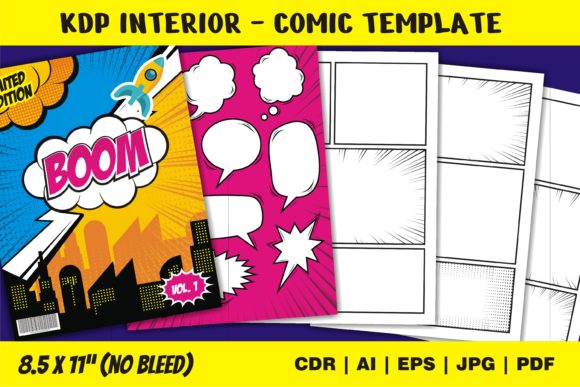
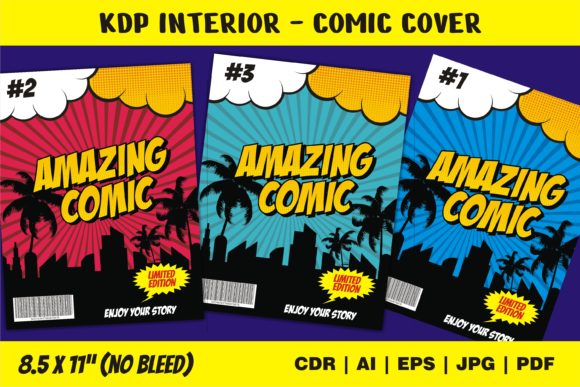
- File Formats: Available in various formats such as JPG, EPS, AI, CDR, PDF, and PSD, these templates cater to different software preferences and requirements.
- Size Proportions: The templates are designed to fit the standard 8.5 x 11" size, ensuring that your cover looks perfect on all devices and in print.
- No Bleed: These templates are specifically designed without bleed, simplifying the printing process and reducing the risk of errors.
Choosing the Right Software for Your Template
Depending on your comfort level and the specific features you need, you can work with these templates in several popular graphic design programs:
- Adobe Illustrator (AI): Ideal for vector graphics and detailed artwork, Illustrator offers a wide range of tools for creating and editing your cover.
- CorelDRAW (CDR): Known for its user-friendly interface and powerful vector illustration capabilities, CorelDRAW is another excellent choice for editing these templates.
- Adobe Photoshop (PSD): Perfect for raster graphics and photo editing, Photoshop is a versatile tool that can help you add finishing touches and effects to your cover.
Editing Your Comic Cover Template
Once you've chosen the right template and software, the next step is to customize it to fit your vision. Here’s how you can do it:
- Open the Template: Start by opening the template file in your chosen software. Make sure to familiarize yourself with the layout and any pre-existing elements.
- Add Your Artwork: Import or create your artwork and place it within the designated areas. Use layers to organize your elements and make adjustments easier.
- Edit Text and Titles: Customize the title, author name, and any other text to match your branding and style. Choose fonts that complement your artwork and enhance readability.
- Apply Effects and Finishing Touches: Add any special effects, filters, or color adjustments to give your cover a polished and professional look.
Tips for Creating an Engaging Comic Cover
To make your comic cover stand out, consider the following tips:
- Focus on the Central Character or Theme: Highlight the main character or a key theme from your story to immediately engage the reader.
- Use Bold Colors and Clear Typography: Choose colors that are visually striking and typography that is easy to read, even at a glance.
- Incorporate Intriguing Elements: Add subtle details or elements that pique curiosity and encourage readers to pick up your comic.
- Keep It Simple and Clean: Avoid cluttering your cover with too many elements. A clean, well-organized design is more likelyable and professional.
Common Misunderstandings and Pitfalls to Avoid
While working with templates, it's important to be aware of common mistakes and misconceptions:
- Over-Reliance on Templates: While templates provide a great starting point, don’t be afraid to modify them to better suit your unique style and vision.
- Neglecting File Resolution: Ensure that your final cover is saved at the appropriate resolution for both web and print. Low-resolution images can appear blurry and unprofessional.
- Ignoring Brand Consistency: If you have multiple comics or a series, maintain a consistent style across all covers to build brand recognition.
Conclusion
Using KDP Interior Best Comic Cover Templates can significantly streamline the process of creating a professional and eye-catching comic cover. By understanding the key features, choosing the right software, and following best practices, you can produce a cover that not only stands out but also effectively represents your story. Remember to keep your design simple, focused, and true to your artistic vision. Happy designing!