Strategic Use of Shadow Matching Games for Kids: Enhancing Learning and Engagement
Understanding the Concept of Shadow Matching Games for Kids
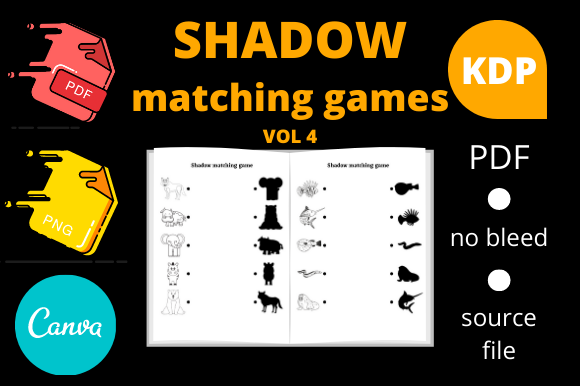
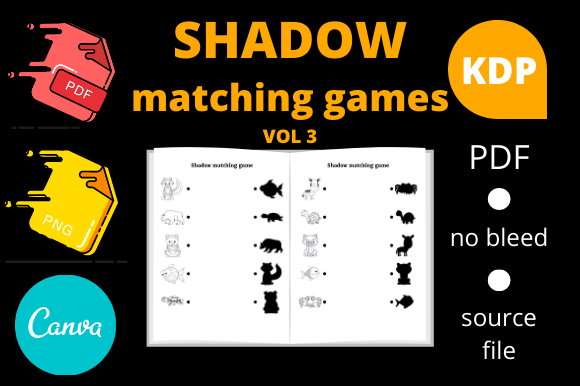
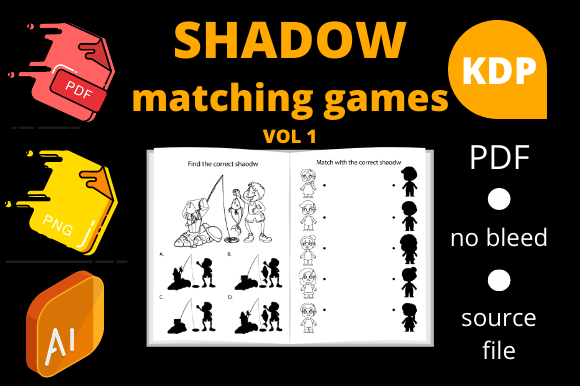
Shadow matching games for kids are a creative and engaging way to help children develop their cognitive, visual, and spatial skills. These games typically involve matching an object's shadow with its corresponding image, fostering a deeper understanding of shapes, forms, and perspectives. By integrating these activities into your educational or recreational plans, you can support a range of developmental goals.
Why Shadow Matching Games for Kids Are Strategically Useful
Thoughtful use of shadow matching games for kids can significantly enhance learning outcomes and engagement. These games are not just fun; they also serve as a powerful tool for educators and parents to support early childhood development. Here’s how:
- Cognitive Development: Shadow matching helps children understand the relationship between objects and their shadows, improving their problem-solving and critical thinking skills.
- Visual and Spatial Skills: These games encourage children to visualize and manipulate objects in their minds, which is crucial for developing spatial awareness and geometric understanding.
- Attention and Focus: The interactive nature of shadow matching keeps children engaged and focused, making it an excellent activity for improving concentration and attention span.
When and How to Use Shadow Matching Games for Kids
The strategic deployment of shadow matching games for kids depends on your specific goals and the context in which they will be used. Here are some practical tips:
- Educational Settings: Incorporate these games into lesson plans to complement topics like geometry, science, and art. They can be used as a hands-on activity to reinforce theoretical concepts.
- Home Environments: Use shadow matching games for kids as a fun and educational activity during playtime. This can be particularly effective for keeping children occupied and learning during breaks or after school.
- Therapeutic Contexts: Occupational therapists and child psychologists can use these games to assess and develop a child’s visual-spatial and cognitive abilities in a playful and non-threatening environment.
Practical Examples and Planning Tips
To make the most of shadow matching games for kids, consider the following examples and planning tips:
- Theme-Based Activities: Create themed sets of shadow matching games, such as animals, vehicles, or household items, to align with specific learning units or interests.
- Interactive Workshops: Organize workshops where children can create their own shadow matching puzzles, enhancing both their creativity and understanding of the concept.
- Progressive Challenges: Start with simple, familiar objects and gradually introduce more complex shapes and patterns to challenge and engage older children.
Strategic Observations and Decision-Making Guidance
When deciding to integrate shadow matching games for kids into your activities, consider the following strategic observations:
- Age Appropriateness: Choose games that are suitable for the age group you are working with. Younger children may benefit from simpler, more recognizable objects, while older children can handle more complex and abstract shapes.
- Alignment with Goals: Ensure that the games align with your educational or developmental goals. For example, if you are focusing on geometry, select games that emphasize shape recognition and spatial relationships.
- Engagement and Motivation: Keep the activities engaging by varying the themes and challenges. Regularly introducing new and exciting elements can help maintain children’s interest and motivation.
Possible Risks and Considerations
While shadow matching games for kids offer numerous benefits, there are also potential risks to consider. Using these games without clear goals or context can lead to:
- Lack of Focus: Without a structured approach, children may become distracted and lose focus, reducing the educational value of the activity.
- Over-Reliance on Visuals: Relying too heavily on visual activities can limit the development of other important skills, such as verbal and auditory processing. It’s important to balance shadow matching with a variety of other learning activities.
- Monotony: Repeating the same type of game without variation can lead to boredom. Regularly update and refresh the materials to keep the activities fresh and engaging.
Conclusion: Intentional Use of Shadow Matching Games for Kids
By using shadow matching games for kids intentionally, you can create a meaningful and impactful learning experience. Whether in an educational, home, or therapeutic setting, these games can be a valuable tool for supporting cognitive, visual, and spatial development. Carefully plan and structure your activities to ensure they align with your goals and provide a balanced and engaging learning environment.
Remember, the key to success is to use these games thoughtfully and strategically, always keeping the needs and interests of the children at the forefront. With the right approach, shadow matching games for kids can be a powerful and enjoyable way to enhance learning and development.